
The Best of Each Season
The Best of Each Seasons at Yellowstone and Grand Teton National Parks
What is the best time to visit these parks? The following is a brief summary of the four seasons to better assist you at picking the best time for your visit. But please keep in mind that the following observations are generalities, Mother Nature doesn’t always repeat things exactly the same year after year.

Spring
Late April through early July. Keep in mind that Yellowstone is mostly closed
until early May, depending on the weather. You will want to check ahead if you’re
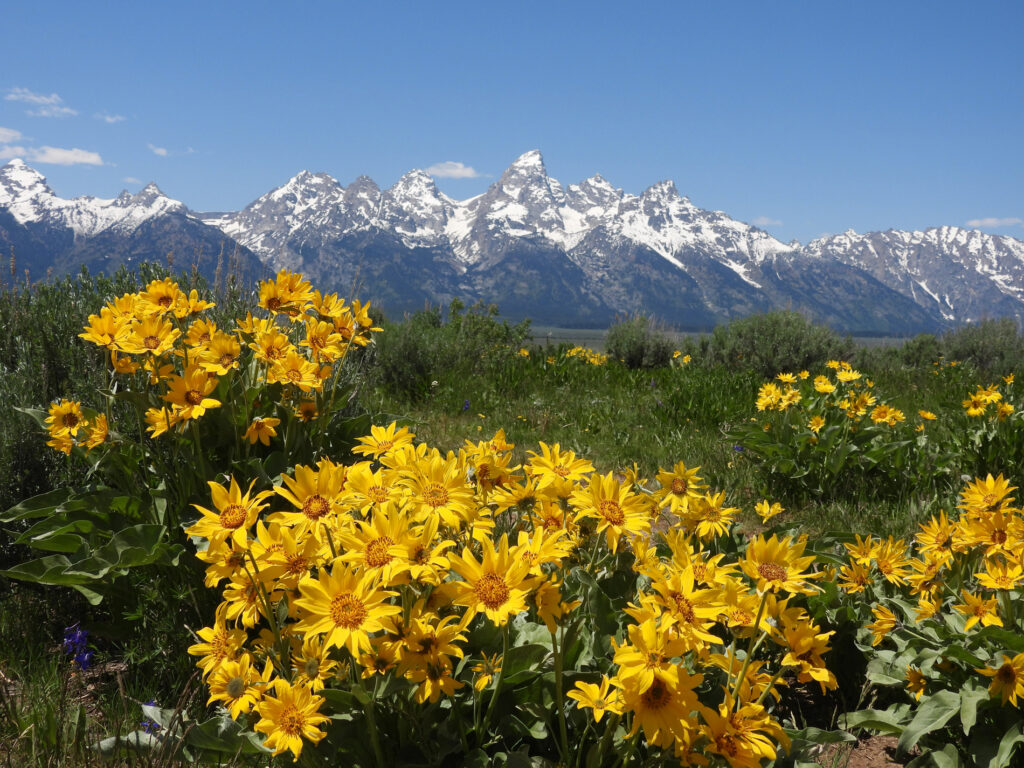
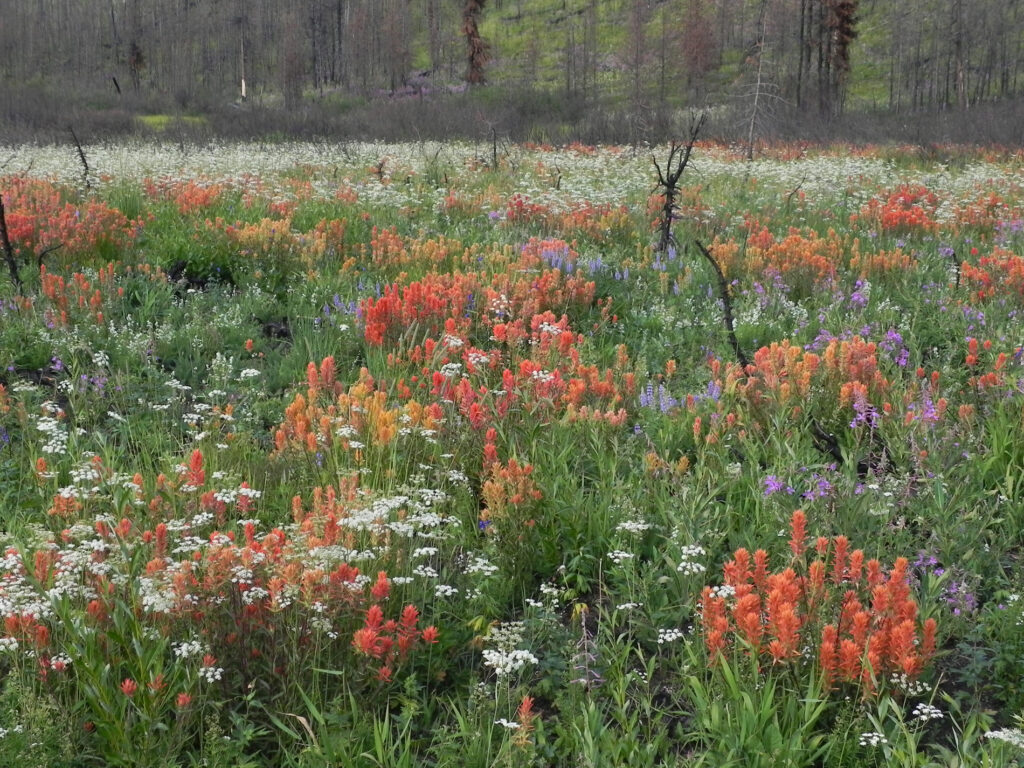
planning on coming in May. There will probably be a lot of snow left over from winter. If you love wildflowers, I would plan on coming the last 2 to 3 weeks of June.
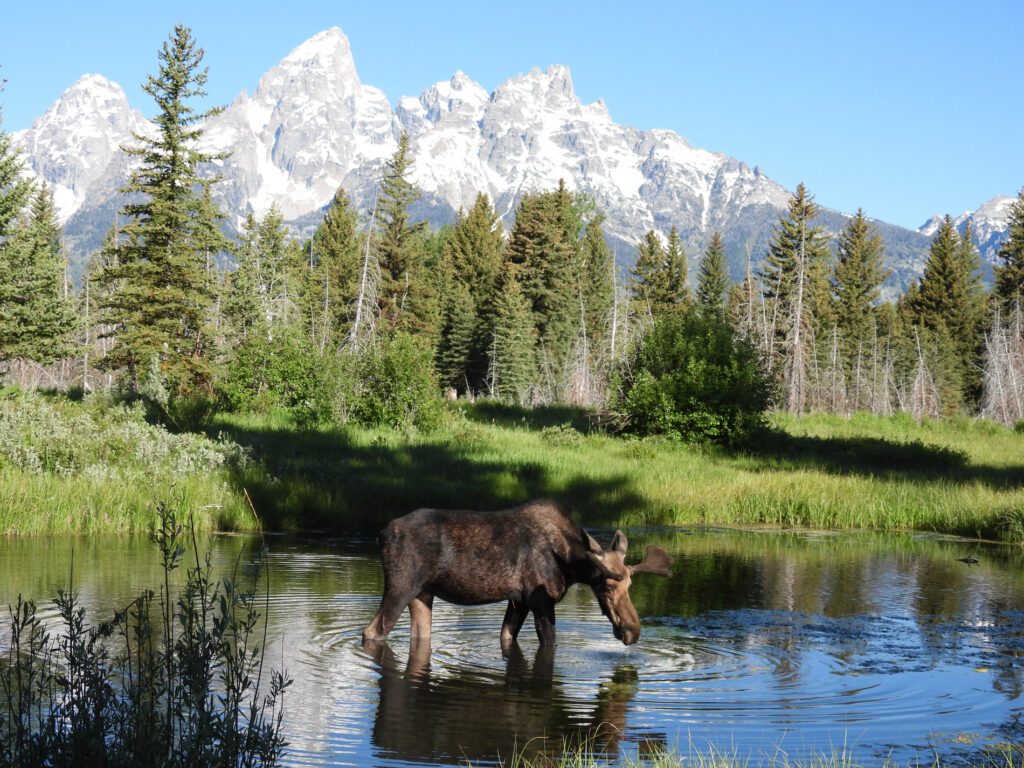
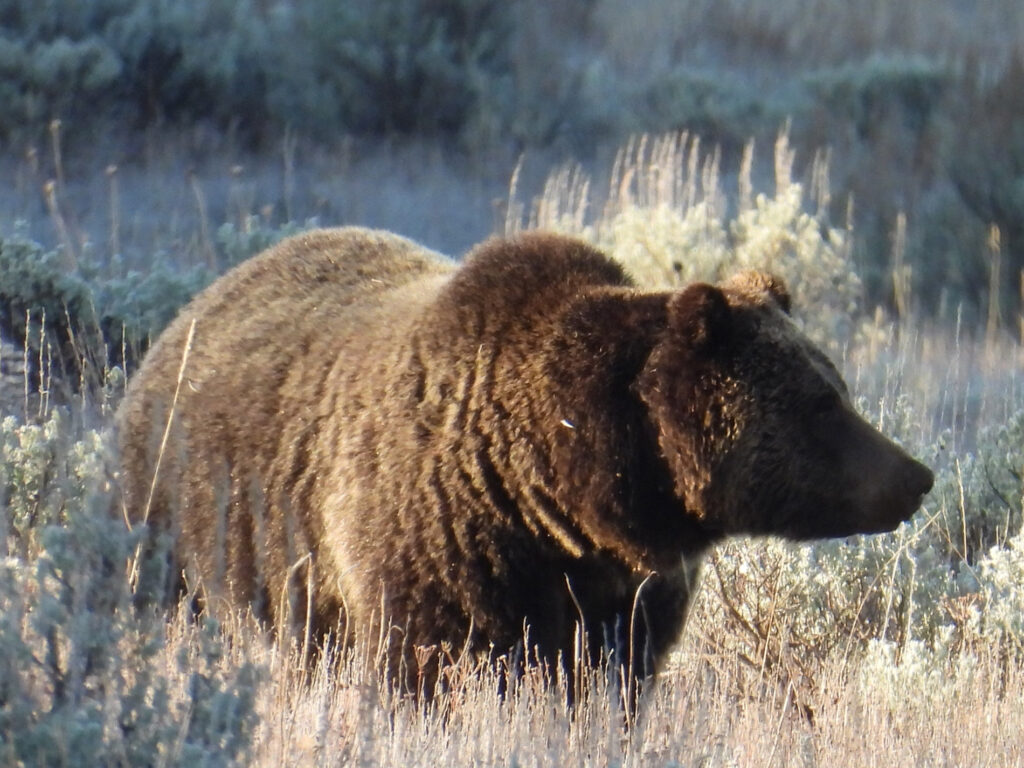
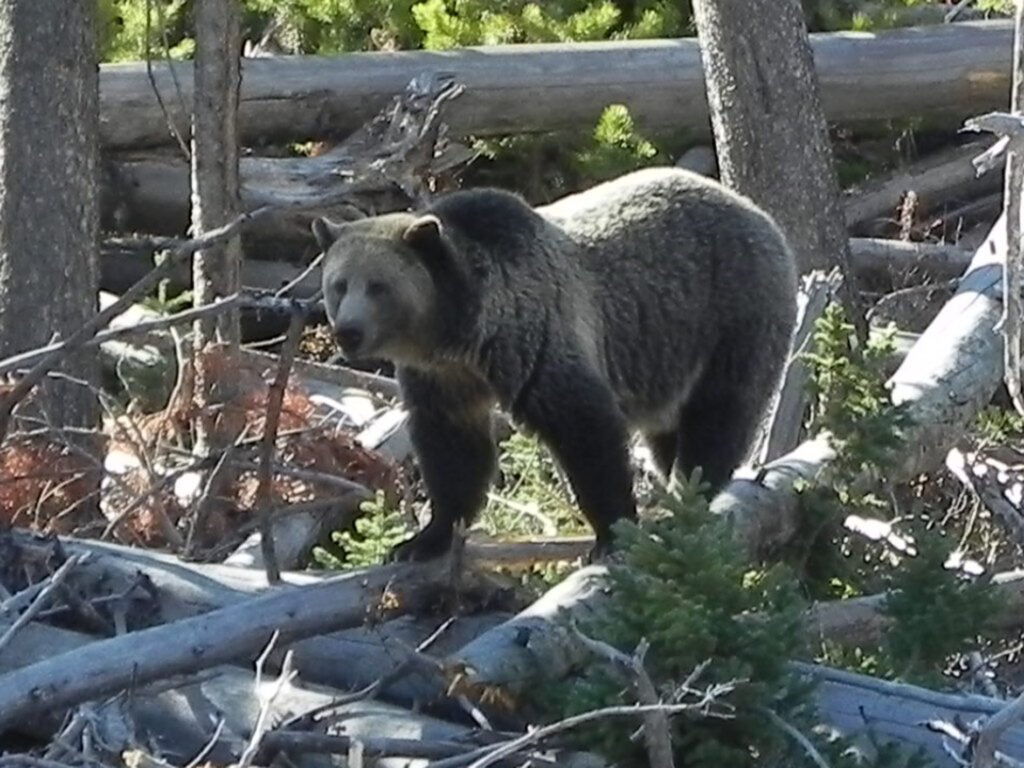
The flower season can be spectacular, but it does fluctuate from year to year. Another highlight of the spring is the baby animals; most are born in April. It’s truly the lucky tour guests who get to see baby grizzly bears – so cute! The weather is usually pretty good throughout the spring, but you can’t rule out late season snow. Definitely bring warm clothing and a small, foldable umbrella.
Ankle high hiking boots are a good foot ware choice, but good sneakers also work when it’s dry.
Summer
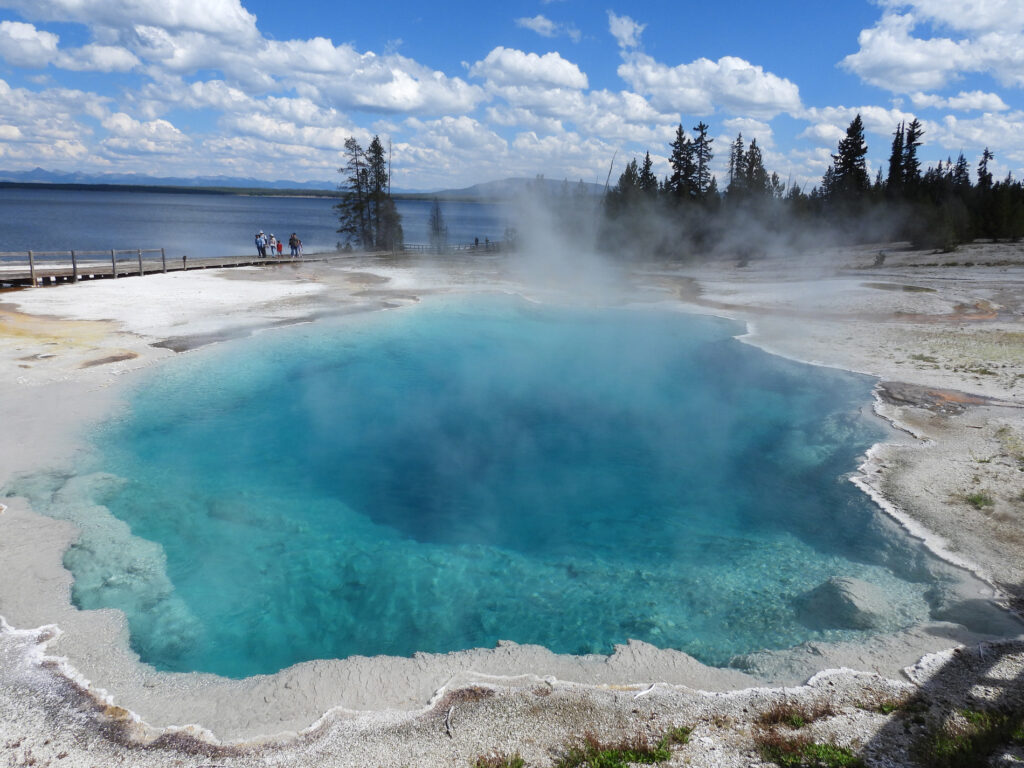
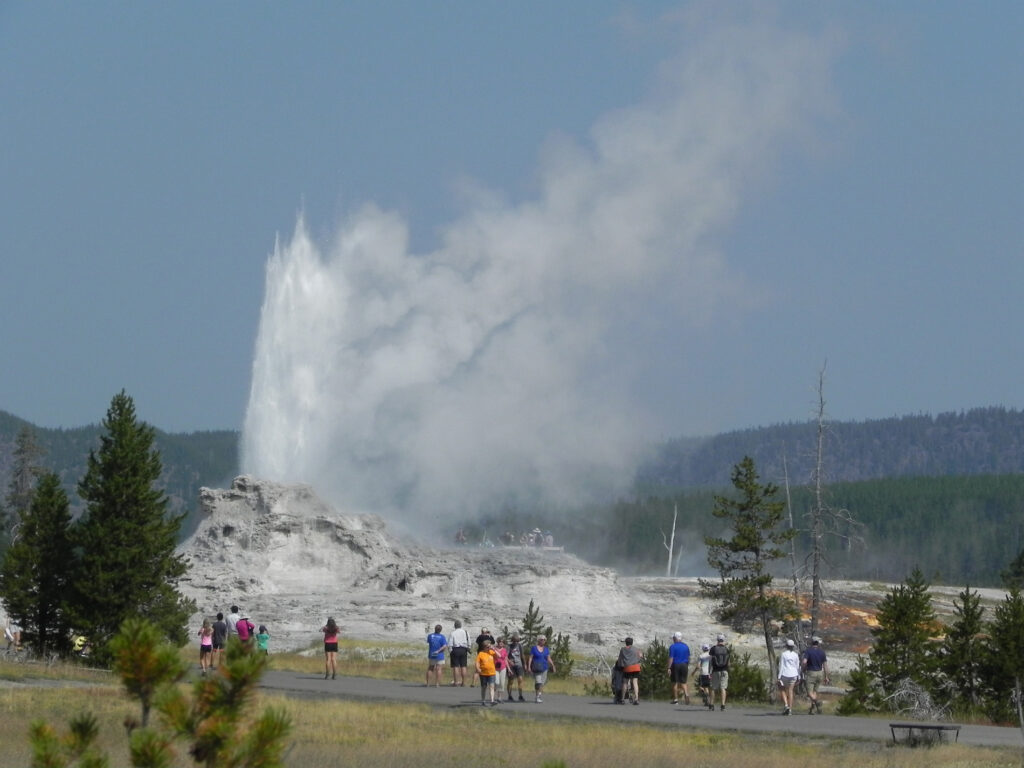
Late June to late early September. This is by far the busiest season for both parks. But the recreation possibilities are almost endless – fishing, hiking, scenic rafting trips, white water rafting, bike riding, kayaking and looking for wildlife just to name a few. As far as the weather goes, the mornings can be chilly, 40 to 50 degrees Fahrenheit. But by around 11AM it warms up nicely and can get into the low 80’s and rarely hit low 90’s. However, the heat is usually not a problem because this area normally has very low humidity.
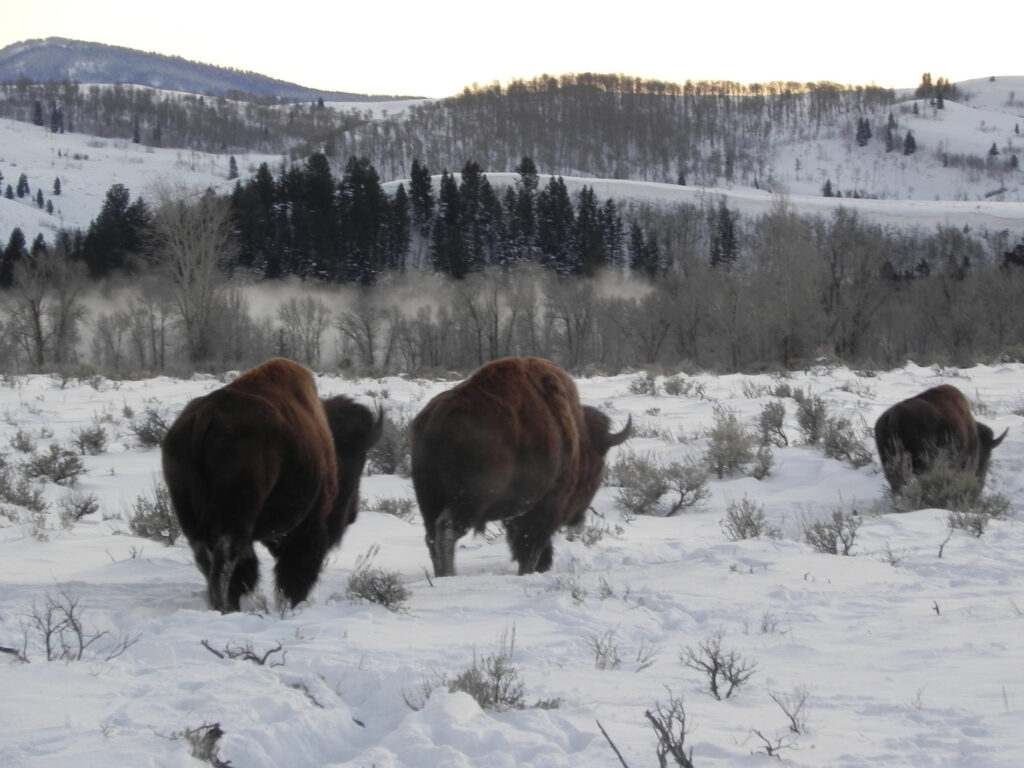
Many tour guests opt to wear shorts, especially on the evening Teton tours and the all-day Yellowstone tours. Personally, I usually wear long pants on all-day tours, but zip off the legs as it starts to get warm. July and August are by far the most crowded months. This is where having a guide proves invaluable, because a good guide will be able to seamlessly navigate the busiest parking areas and crowds with no problems. Another bonus for summer visitors? If you come during the month of August, you may be treated to watching the mating season of the bison. These massive beasts, up to 2,000 pounds, will fight for the rights to mate with the females – what a show! Summer is a wonderful time of year to see either or both parks.
Fall
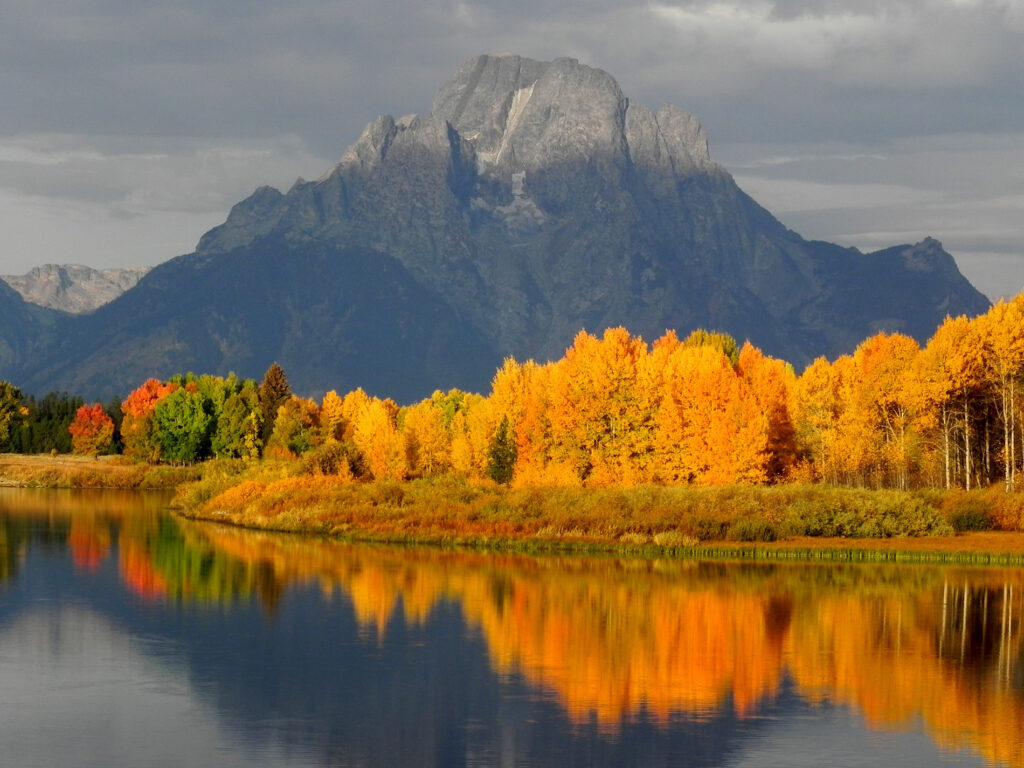
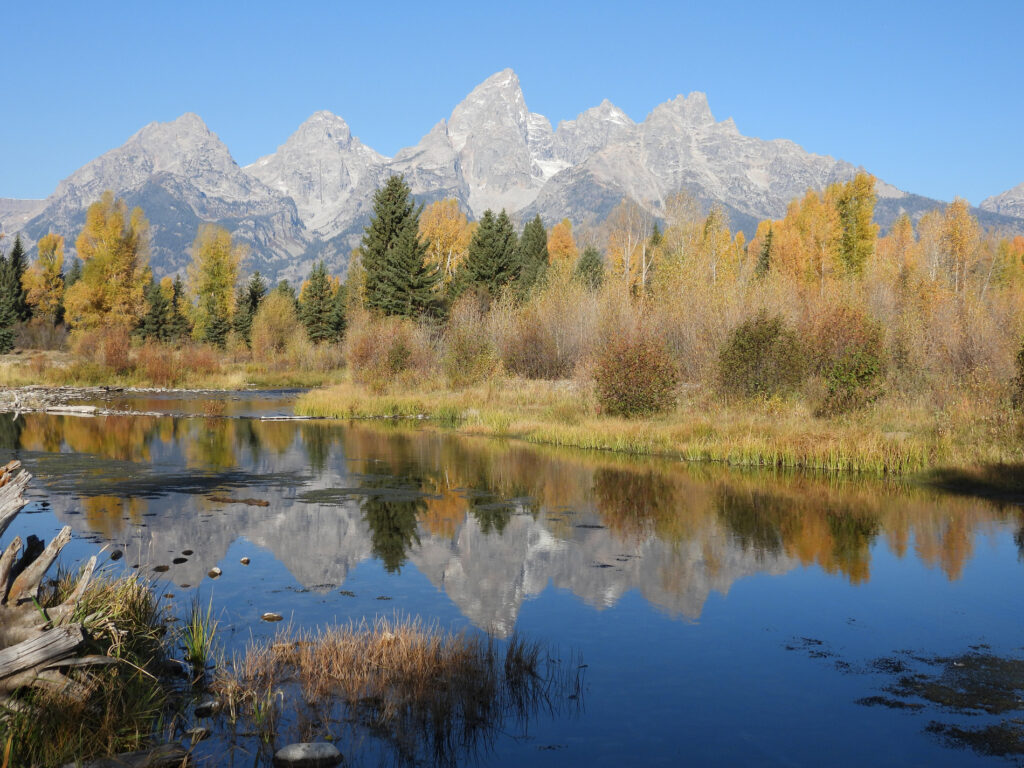
Mid September to mid-November. This is my personal favorite time of
year. If you love fall colors with the changing of the leaves, it’s tough to beat
Grand Teton Park. The absolute peak of the color change usually happens between
September 20 th to October 3 rd , but there are plenty of colors to be seen
throughout the entire month of September and October. In a normal year, it will be
over by early November.
As far as the crowds, the parks slow down slightly by
early September because of kids going back to school, but it’s still busy. One big bonus
when you visit this time of year is the mating season of most of the large mammals.
There’s nothing like hearing a huge male elk ‘bugle’ to call in a harem of females.
These massive animals, up to 800 pounds, will challenge other males for the privilege to
mate with the females. Expect cooler temperatures and be prepared for temperatures
as low as the low 20’s at night and in the morning.


Winter
November through mid-April. Winters here are long and cold, but beautiful.
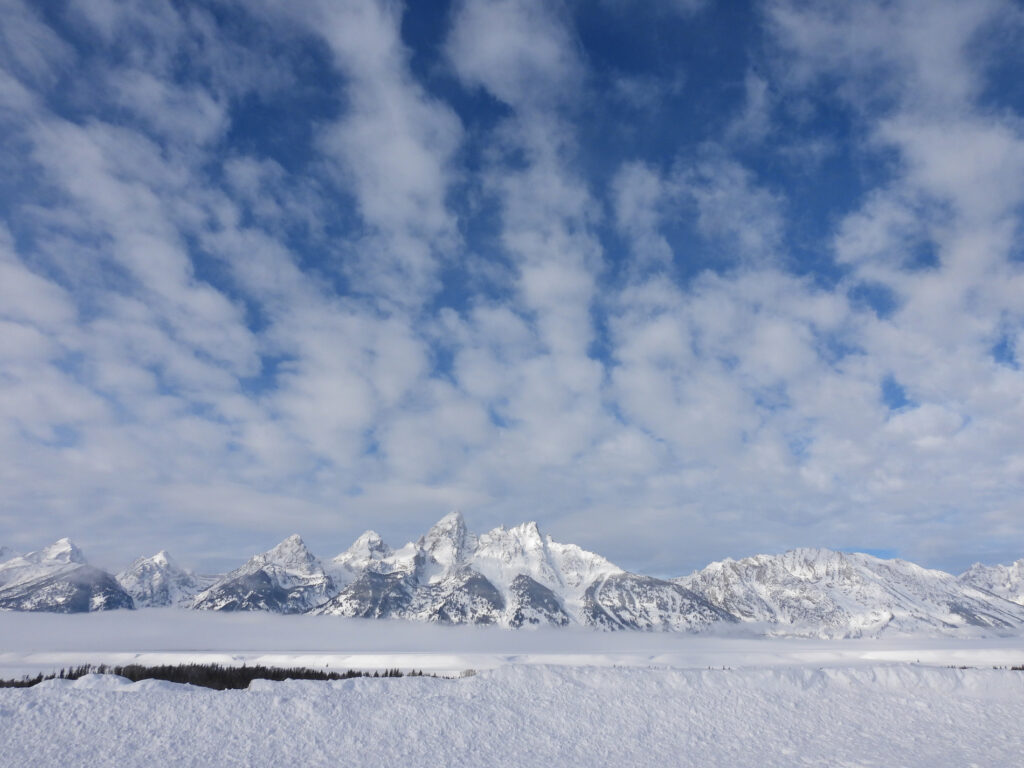
When you see the Teton Range with a fresh coat of snow on a bluebird day, it can take your breath away. During this time of year, Yellowstone National Park is mostly closed to car traffic, which makes the 4-hour Teton tour the most popular option. It’s also important to know that after about November 1, roughly half of Grand Teton National Park is closed to car traffic.
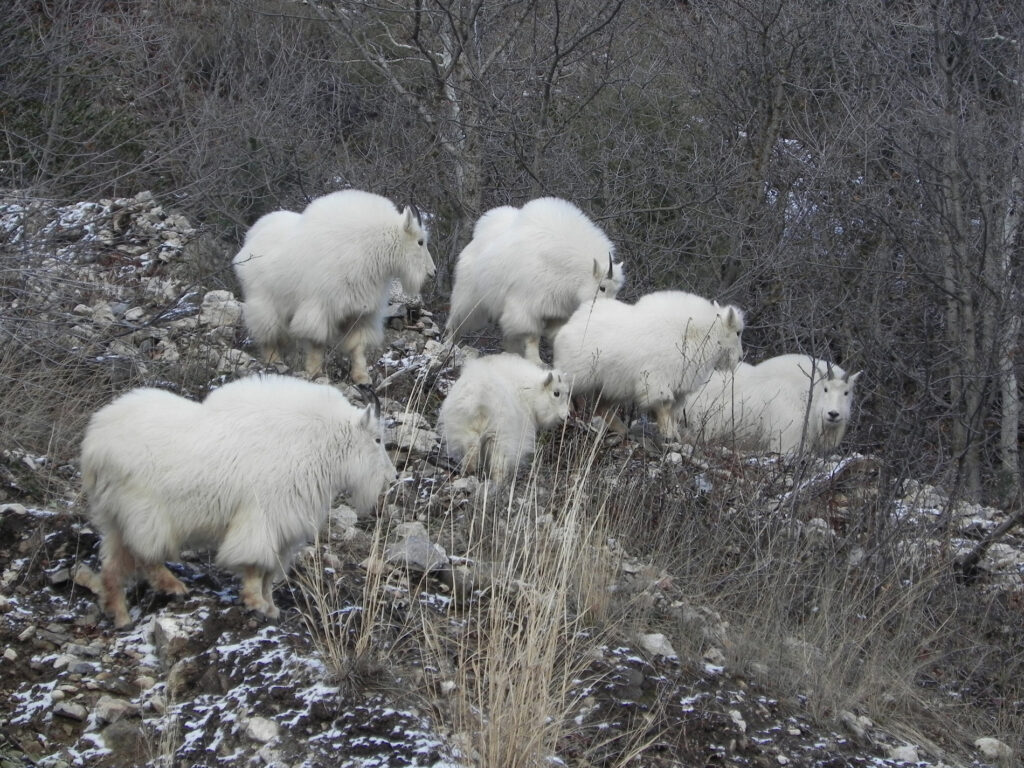
During winter, wildlife viewing is usually excellent. Moose have their full, large antlers, as do the male elk. This is also a great time to see bighorn sheep. Bears typically go into hibernation by early December and are almost never seen during winter. Most emerge again in April, with a few large males occasionally appearing in March.
We get a lot of skiers visiting Jackson Hole, and many choose the 4-hour Teton tour to give their legs a much-needed break from skiing. If you visit this time of year, bring plenty of warm clothes. That said, most of the tour is spent inside the vehicle, warm and comfortable. I gave a tour last year when it was minus 20 degrees outside, and we were completely fine.